
Why a Foreclosure Crisis Isn’t on the Horizon
With inflation still lingering and financial strain persisting for many, fears of a looming foreclosure wave are understandable. However, a closer look at the data reveals a different story.
Lenders Are Smarter, Borrowers Are Stronger
The reckless lending practices that fueled the 2008 housing crisis have been significantly tightened. Today’s borrowers are more qualified, with better credit scores and lower debt-to-income ratios. This increased financial stability translates to a lower risk of default.
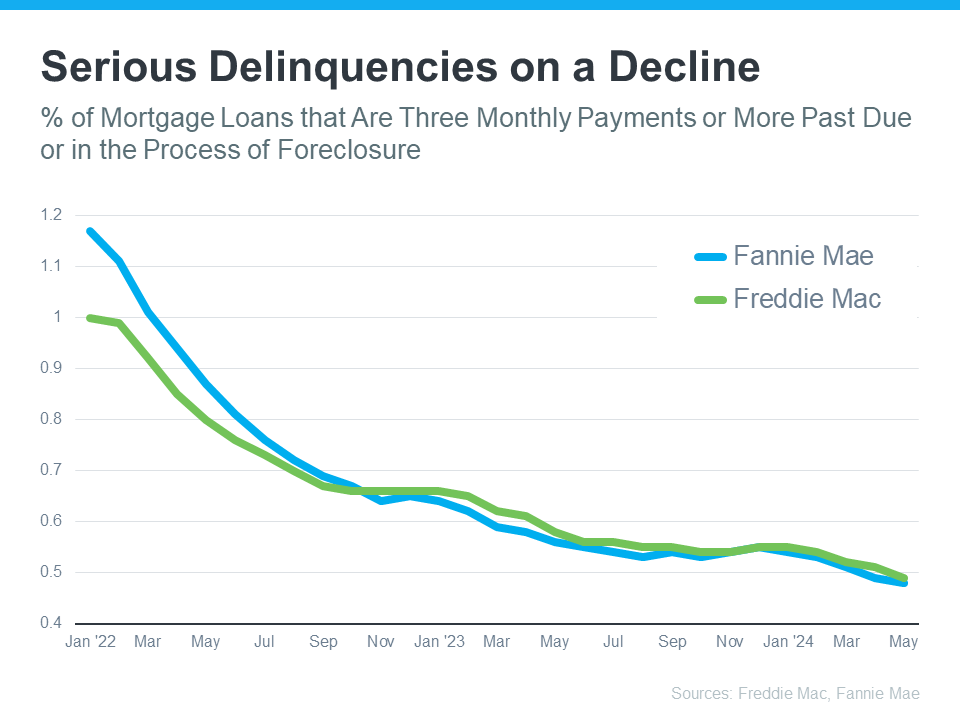
Data from Freddie Mac and Fannie Mae confirms this trend. The number of homeowners seriously behind on their mortgage payments has been steadily declining. This indicates that borrowers are managing their financial obligations effectively.
Equity: A Safety Net for Homeowners
Another factor working against a foreclosure crisis is the substantial equity homeowners have built up. As Calculated Risk’s Bill McBride points out, this equity provides a cushion for many homeowners, allowing them to sell their homes and avoid foreclosure if needed.
The Bottom Line: No Sign of a Wave
While economic challenges persist, the current housing market landscape is vastly different from the pre-2008 environment. With qualified borrowers and a strong equity cushion, the likelihood of a significant foreclosure surge is minimal.
It’s essential to base our outlook on data and expert analysis rather than fear-driven speculation. The evidence clearly suggests that a foreclosure crisis is not on the horizon.
If you do come across a foreclosure you want to purchase we can absolutely help you finance it. We have a number of different financing options. Just give us a ring (269) 360-7109 or apply online!



Latest Blog Post
S.O.S. SAVE OUR SALE
S.O.S. SAVE OUR SALE: WHAT TO DO WHEN YOUR LENDER STALLS WEEKS BEFORE CLOSING!
 Did your mortgage lender suddenly go radio silent, request the same bank statement for the fourth time, or drop a last-minute loan denial right before your scheduled closing date?
Yesterday, a panicked real estate agent called my office from Portage. Their buyer had been under contract for three weeks on a home near Milwood. The closing date sat just nine days away.
Out of nowhere, the buyer’s out-of-state call-center lender issued a denial letter. The call-center underwriter miscalculated self-employment write-offs, panicked over an unpermitted porch repair on the appraisal, and threw the entire transaction into the trash can.